

In 2025, residents of Pumpkintown, Pickens, and the surrounding foothills witnessed something few ever expected to see: smoke rising from the slopes of Table Rock Mountain. For days, the familiar granite face that has defined the Upstate skyline for generations became the center of one of the most significant wildfire events in recent South Carolina history.

A Fire on South Carolina’s Most Famous Mountain
Table Rock is one of South Carolina’s most recognizable natural landmarks. Rising 3,124 feet above sea level, the mountain dominates the landscape around Pumpkintown and serves as the gateway to the Blue Ridge Escarpment.
In March 2025, a wildfire ignited on the mountain amid dry conditions, low humidity, and elevated fire danger across the region. Strong winds and steep terrain quickly made firefighting efforts difficult.
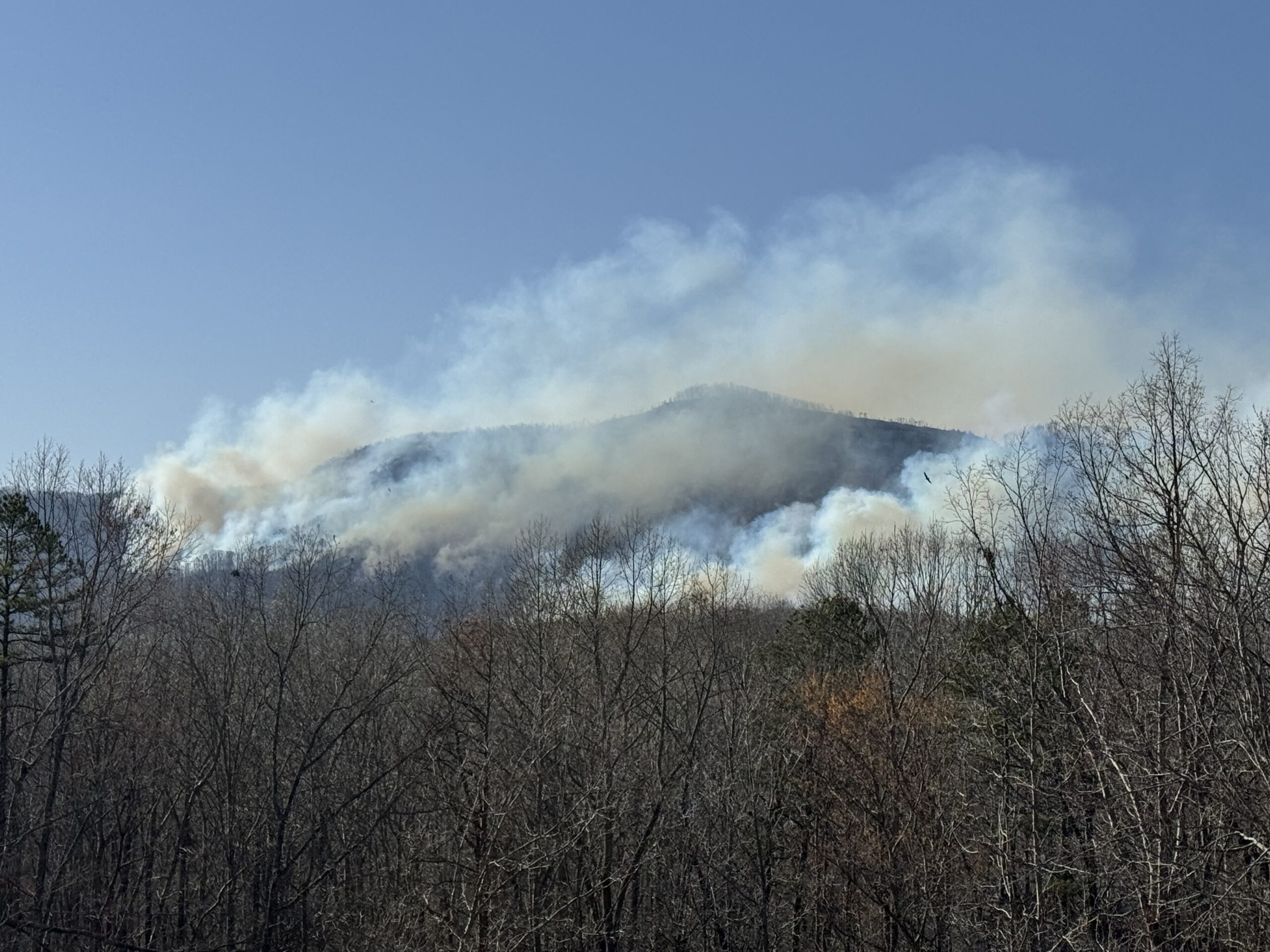
Residents throughout northern Pickens County could see smoke columns from miles away. As the fire spread across rugged mountain slopes, crews from multiple agencies responded to protect lives, property, and the surrounding forest.
Watching the Fire from Pumpkintown
For many local residents, the most memorable images came not from news helicopters but from their own backyards, porches, and cabin windows.
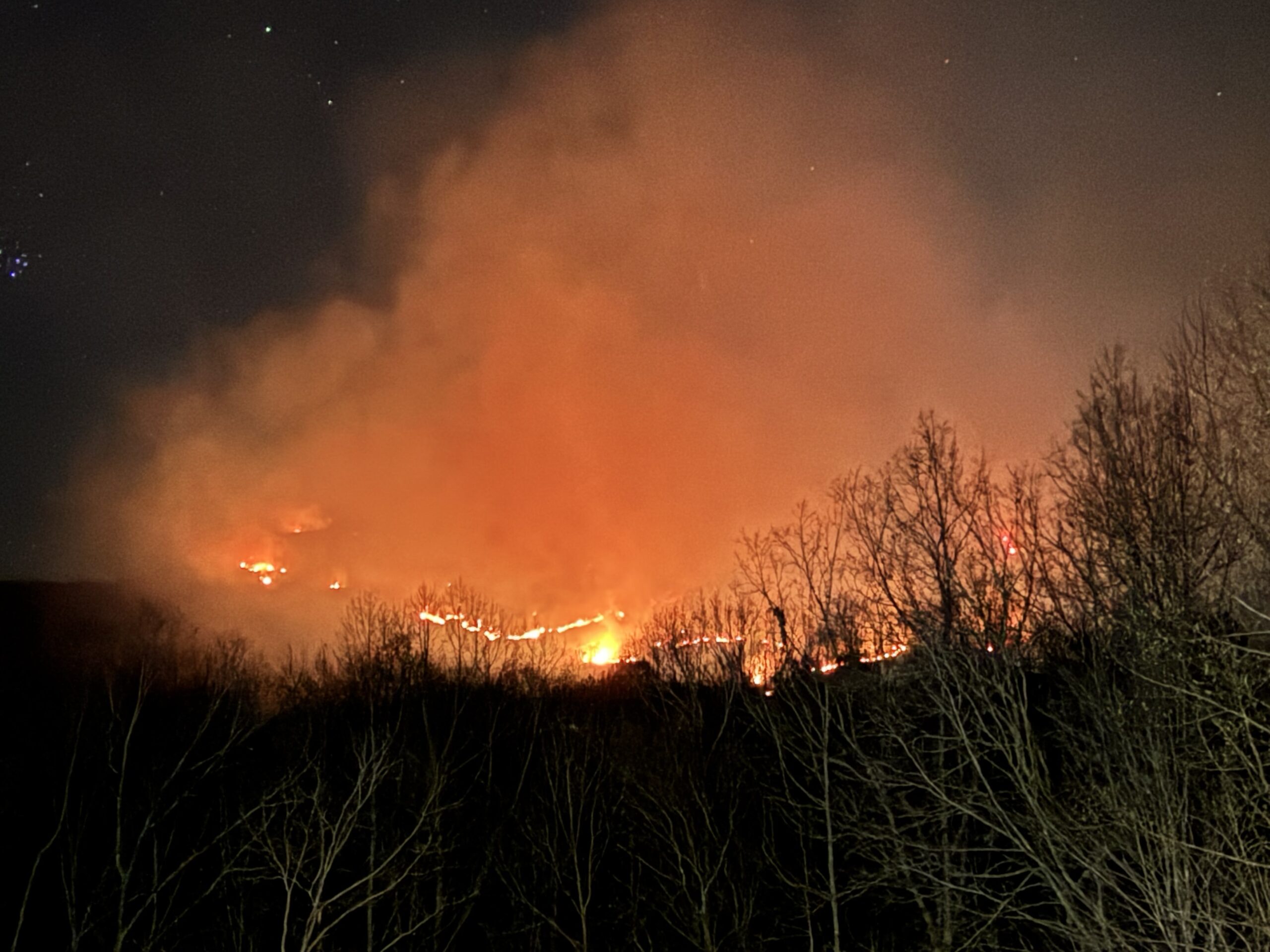
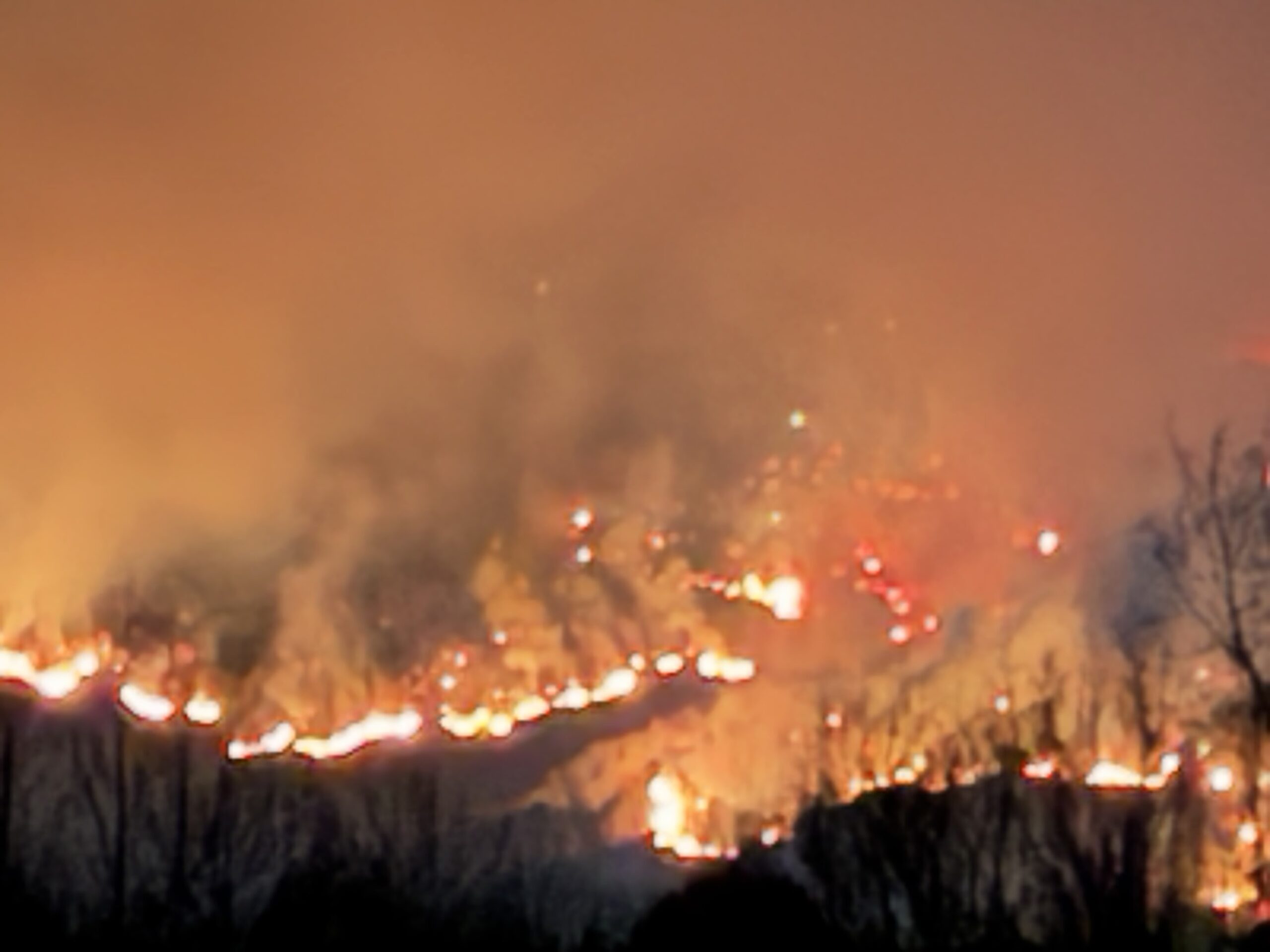
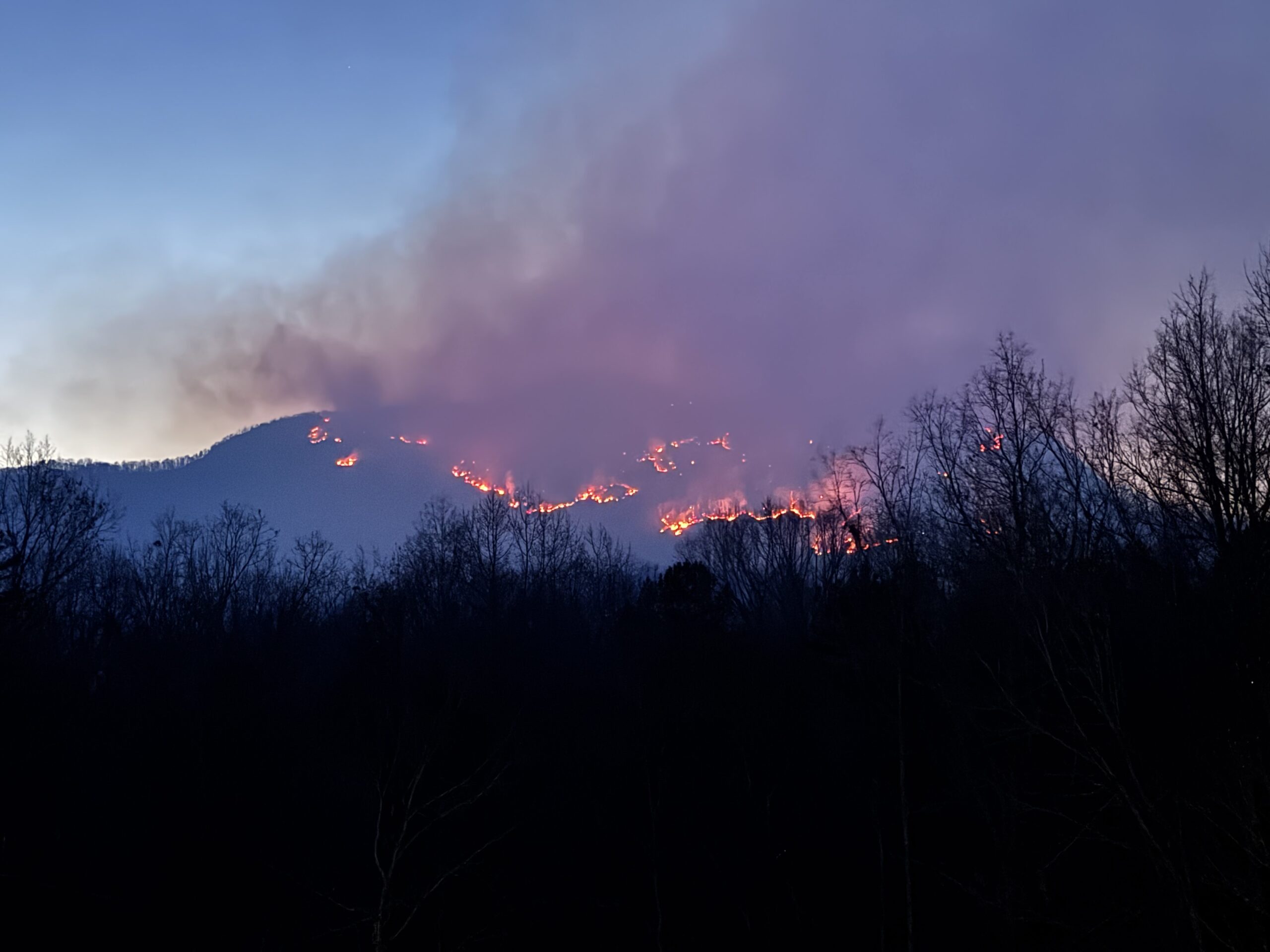
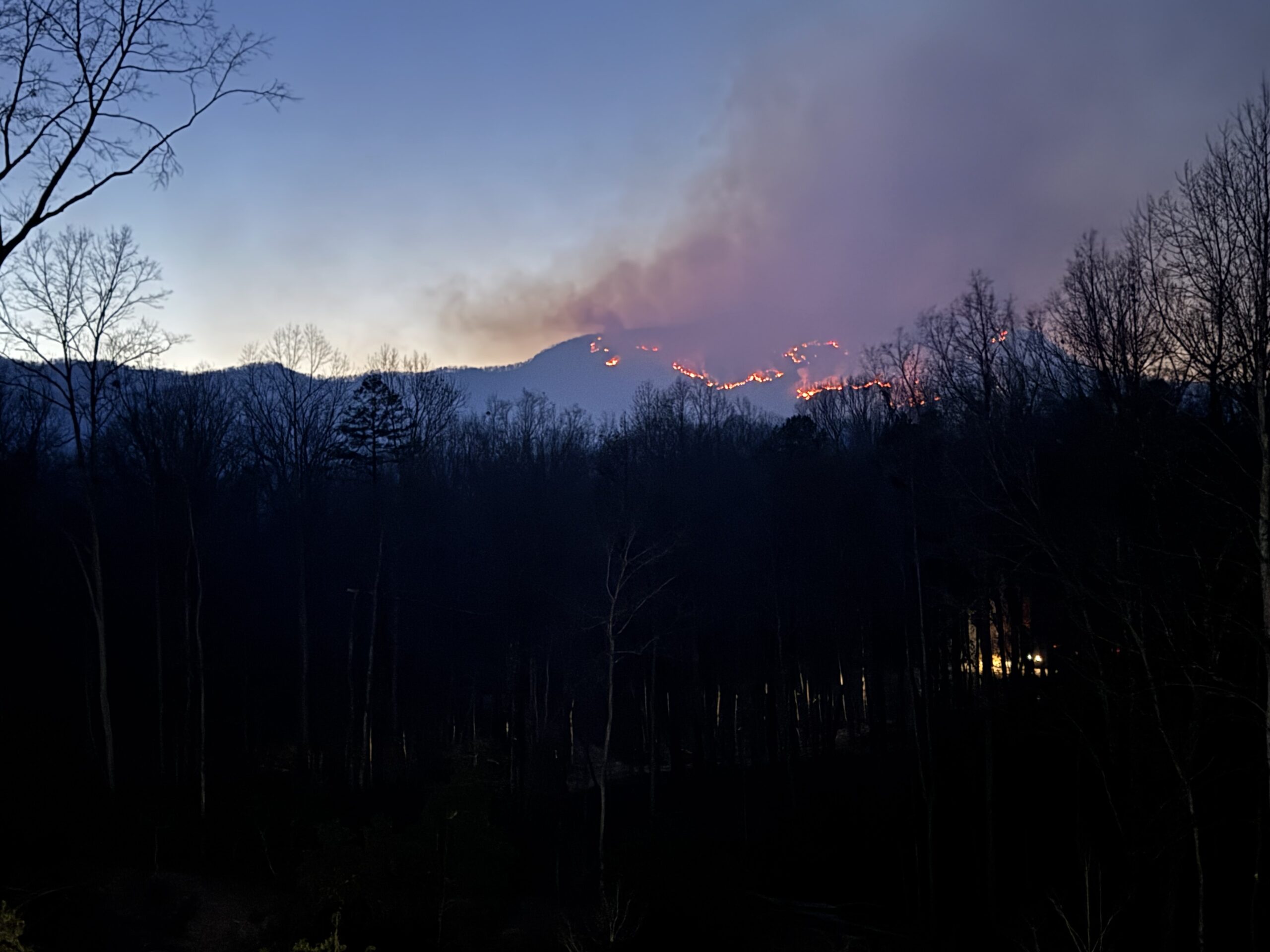
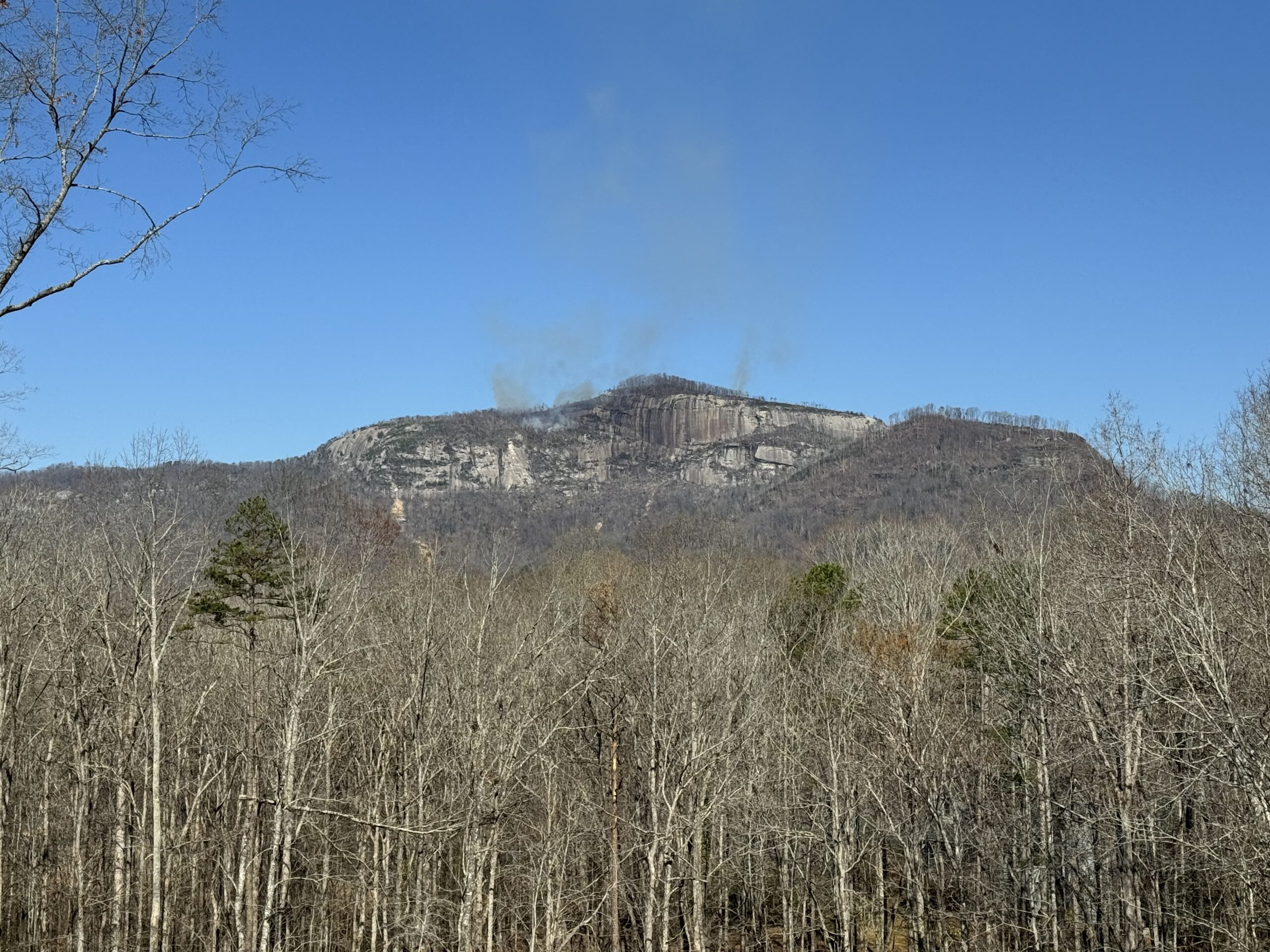
The smoke could be seen drifting across the mountain during daylight hours, while at night the glow of active fire lines illuminated portions of the ridge. The sight was both beautiful and unsettling.
The photographs shown here capture a rare moment in local history as smoke rose from the slopes of Table Rock and firefighters worked to contain the blaze.
Why Table Rock Was Vulnerable
Although the Upstate is known for its lush forests, wildfire is a natural part of the Appalachian ecosystem.
Several factors contributed to the fire’s growth:
- Extended dry weather
- Low relative humidity
- Accumulated leaf litter and forest fuels
- Steep mountain terrain
- Gusty winds
- Difficult access for ground crews
The same rugged landscape that attracts hikers and photographers also makes wildfire suppression challenging.
The Response
Firefighters from local, state, and federal agencies worked together to contain the fire. Aircraft, bulldozers, hand crews, and incident management teams were used throughout the operation.
Crews faced difficult conditions on steep slopes, where much of the fire was inaccessible to vehicles. Many firefighters spent long hours constructing fire lines by hand along remote mountain ridges.
The coordinated response helped prevent the fire from threatening nearby communities and eventually brought the blaze under control.
What the Fire Changed
Wildfires often appear devastating immediately after they occur, but Appalachian forests are remarkably resilient.
In the months following the fire:
- New vegetation began emerging on burned slopes.
- Fire-adapted plant species benefited from reduced competition.
- Wildlife gradually returned to affected areas.
- The landscape began the long process of natural recovery.
Visitors today may still notice evidence of the burn in some locations, but the mountain continues to recover.
A Historic Moment for Table Rock
For generations, Table Rock has endured storms, droughts, logging eras, and countless changes across the Upstate. The 2025 wildfire became another chapter in the mountain’s long history.
For those who watched smoke rise from the ridges around Pumpkintown, it was a reminder of both nature’s power and the dedication of the firefighters who worked tirelessly to protect one of South Carolina’s most treasured landscapes.
Today, Table Rock remains what it has always been: a symbol of the South Carolina Upcountry and a landmark that continues to inspire everyone who calls this region home, whether beside a waterfall or around the next bend on a scenic back road near Pumpkintown.


